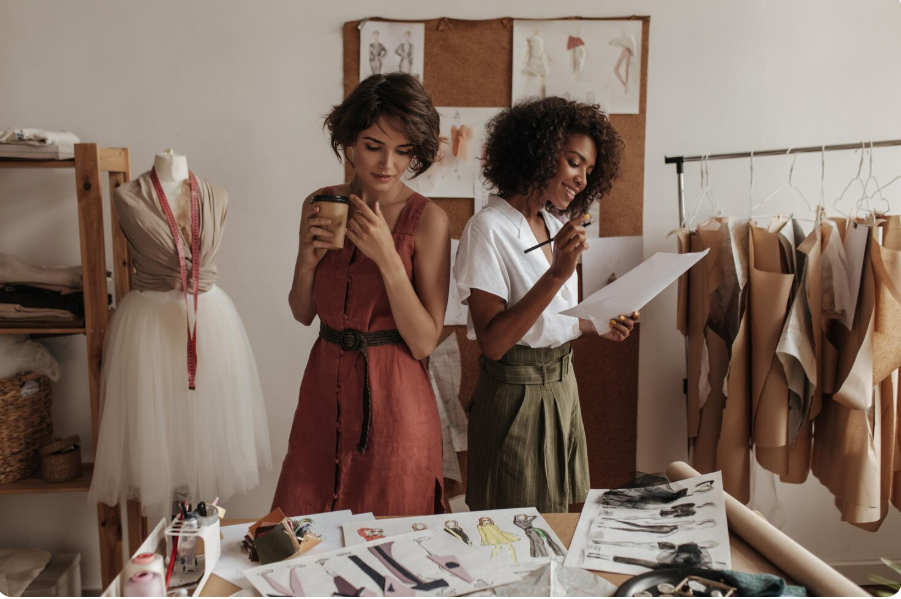
Fashion is more than just clothing; it’s a reflection of who we are and how we feel. The study of fashion psychology explores the profound connection between what we wear and how it affects our thoughts, emotions, and behavior. By understanding this connection, we can make more conscious choices about our style and the messages we communicate to the world.
The Connection Between Style and Self-Expression
Our clothing choices often act as a form of nonverbal communication. They allow us to express our personality, values, and moods without saying a word. For example, someone who chooses bright, bold outfits may be projecting confidence and energy, while a preference for neutral tones could indicate a desire for simplicity or calmness. Fashion psychology helps us decode these subtle messages, both in ourselves and others.
Clothing Choices and Their Impact on Confidence
The right outfit can dramatically boost self-esteem. Psychologists refer to this phenomenon as “enclothed cognition”—the influence of clothing on mental states. Wearing clothes that make us feel comfortable, stylish, or powerful can increase our confidence and positively affect our interactions with others. Conversely, clothes that feel restrictive or mismatched to our identity can have the opposite effect, leading to discomfort or self-consciousness.
Color Psychology in Fashion: What Your Outfit Says About You
Colors play a crucial role in fashion psychology. Different hues can evoke specific emotions and even influence how others perceive us. For instance, red is often associated with passion and energy, blue with calmness and reliability, and black with sophistication or authority. Understanding the psychology of color allows individuals to intentionally choose outfits that convey the right message for a given situation.
The Role of Fashion in Social Perception
Fashion shapes how others perceive us in social and professional settings. Studies show that people make quick judgments based on clothing, often forming opinions about personality, competence, and social status. Dressing appropriately for occasions or aligning outfits with desired impressions can help navigate social dynamics more effectively. Fashion psychology explores these effects, revealing the subtle ways attire influences relationships and communication.
Trends vs. Personal Style: Why We Follow Fashion
Humans are naturally influenced by trends, but following them is not purely about aesthetics. Trends often provide a sense of belonging and social validation. However, prioritizing personal style over trends can foster authenticity and strengthen self-identity. Fashion psychology examines the balance between societal influence and individual expression, helping people make choices that feel true to themselves.
The Emotional Power of Accessories
Accessories like jewelry, hats, and shoes are not just decorative; they have psychological significance. A carefully chosen accessory can enhance mood, signal creativity, or even serve as a conversation starter. Fashion psychology reveals how small details can carry emotional weight, subtly influencing both wearer and observer.
Fashion as a Tool for Mood Enhancement
Clothing can impact emotions in profound ways. Wearing a favorite outfit can uplift the spirit, while comfortable loungewear may encourage relaxation. People often use fashion intentionally to manage moods, boost motivation, or prepare mentally for important tasks. This demonstrates that style is not only about appearance—it’s a tool for emotional well-being.
Cultural and Psychological Influences on Fashion
Fashion is shaped by culture, society, and psychology. Cultural norms influence what is considered appropriate or fashionable, while individual psychological factors—such as personality, past experiences, and self-esteem—affect clothing choices. By studying these influences, fashion psychology provides insights into why people dress the way they do across different contexts.
Building Your Identity Through Fashion Choices
Ultimately, fashion is a powerful form of self-expression. Our clothing choices communicate who we are, how we feel, and how we want to be perceived. By understanding the psychology behind fashion, we can make deliberate choices that align with our identity, boost confidence, and enhance social interactions. Fashion psychology reminds us that what we wear is not just about trends—it’s about expressing our inner world to the outer one.